
”How do you do it?”
For Coffee Aficionados
I
m not hooked on coffee, but I look forward to my morning cup — it’s a little gift I give myself daily. “Sure,” you say, “spoken like someone who is definitely addicted.” Well, I once thought I might be, but during a bout of (self-diagnosed) pneumonia last winter, I didn’t have any coffee for two whole weeks and I didn’t miss it!
That being said, a hot cup of java is the first thing millions of people reach for every morning. (If you drink instant coffee stop reading NOW — this article is all about attempting to brew the perfect cup of coffee.)
While trying to research some interesting facts about coffee, I learned instead about the preferred method of brewing. Do you realize that the medium you use to brew the coffee affects its taste? That was news to me. I always thought that the beans were what mattered and my drip coffee maker was just the vessel that delivered the drink.
I think back to my mother’s coffee — it always tasted so good. She brewed it in an old steel stovetop percolator. The coffee had a full, rich flavor and a velvety smooth quality. It tasted like what I remember coffee ought to taste like (we always joked that you could stand a spoon in the middle of it). These old-style percolator wonders were eventually cast aside in deference to new technology (drip machines, Keurigs, etc.) — what a shame! I know I inherited that percolator and it’s somewhere in a box in the garage (good luck finding that)!
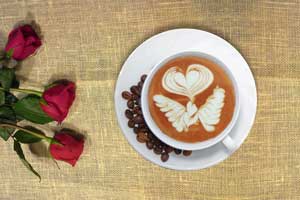
If you enjoy the taste of drip coffee you may not like a percolated version. Many North Americans are used to drinking a weaker form of brew, usually in huge mugs. Coffee here isn’t even the focal point most of the time. It’s all the add-ons — caramel, hazelnut, mocha, cinnamon, vanilla, whipped cream — more like a dessert.
When I visited Europe, I noticed there was definitely a huge coffee-culture and everyone drank much smaller (and much stronger) portions that were packed with flavor. Compared to most North America take-out, this was coffee on steroids!
Fresh coffee
An important part of coffee brewing — you want freshly ground coffee. Grinding your beans just before brewing will guarantee a better brew and taste definitely better than that pre-ground packaged coffee. Ground coffee loses its freshness in a few hours, so how fresh is that bag of ________ you bought last week?
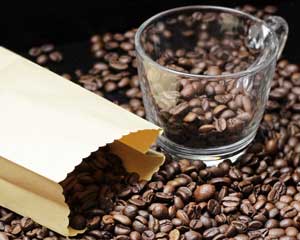
The enemies of coffee beans are heat, water, light and air. Never (NEVER!) put your coffee beans in the fridge or freezer! They will pick up smells and moisture and diminish in flavor. Use an airtight container and keep them in a dark place away from any temperature changes (not next to the stove or fridge). If you can find a vacuum-sealed canister and remove the excess air, that would be optimal.
Investing in a proper grinder is the best way to achieve a consistent grind, and it’s not the grinder we probably all have sitting in the cupboard (the kind where you put in the beans, replace the cap and push down to spin the blade in the middle). The heat and friction caused by the spinning actually causes coffee to lose freshness and it also doesn’t give you a consistent grind (which is important).
The burr grinder is what you want. Ironically, I actually have a vintage manual one sitting somewhere in a box (also in the garage) that I thought was cute, but I’ve never used. It's similar to the grinder pictured here. This grinder is made up of two revolving abrasive surfaces (called burrs) that you can adjust, and in-between them the coffee beans are ground.
Here’s a coffee grind chart showing which grinds to use for various coffee makers. homegrounds.co
Extraction = flavor
When hot water passes through ground up beans, the flavor and aroma of the coffee is released. This process is called extraction. The water temperature and amount of time the water is in contact with the coffee is very important, along with the ratio of coffee to water, which also plays a role. The roast and the grind of the coffee dictates the amount of time that the water is in contact with your coffee. Too quick and the coffee will be weak — too slow and it will have a bitter taste. For a complete explanation of the process go to clivecoffee.com
I’m not really enjoying my drip coffee these days. Some researchers warn against drinking water from plastic bottles that have been left in a hot car. They say that heat can cause chemicals from the plastic to leach into the water. What do you think happens when you put scalding water through a plastic coffee maker? It’s definitely something to think about.
To percolate or not to percolate
Stainless steel percolators don’t affect the taste of coffee like plastic drip coffee makers do. Percolators don’t boil
water — they heat it to 195-205°F degrees which is ideal for making a perfect cup of coffee. The new electric models automatically click into "warm" mode as soon as the coffee is brewed, so they don’t keep sending the water through the grounds multiple times. I think I’ll have to dig out (maybe literally) the old stainless steel percolator and give it a test. Or, perhaps someone will give me a gift for Christmas? (That’s a hint!)
Coffee’s like a box of chocolates, so enjoy every sip.
Photo Credits: See Acknowledgements